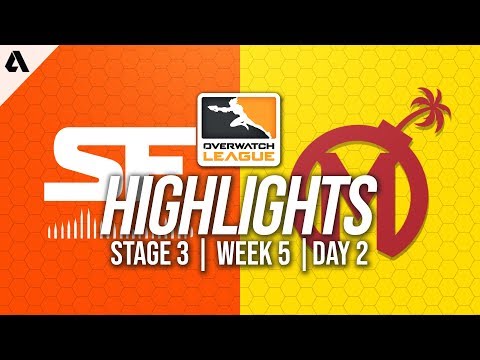
Houston Outlaws vs San Francisco Shock OWL Highlights
The Houston Outlaws faced off against the San Francisco Shock in an intense Overwatch League Stage 3 Week 5 matchup packed with incredible plays, ultimate economy fights, and stunning individual performances. This match showcased why these two teams remain competitive forces in the OWL.
Early Aggression Sets the Tone
From the opening moments, the Outlaws came out aggressive with Jake's Tracer harassing the Shock's backline. The early pressure forced San Francisco into reactive plays, but the Shock's disciplined positioning and support coordination quickly stabilized their defense. Both teams traded kills efficiently, setting up a tight first point battle that had momentum swinging back and forth.
Ultimate Economy and Team Fights
One of the standout aspects of this match was how ultimate economy dictated the flow of battle. The Shock's effective use of transcendence and coordinated ultimate chains allowed them to win crucial fights even when facing deficits. Meanwhile, the Outlaws struggled at times to convert their ultimate advantages into meaningful pushes, particularly when their positioning got split between frontline and supports.
Widow Duels and High Ground Control
Linkzr's Widowmaker play proved instrumental for Houston, securing crucial picks and forcing the Shock to respect the high ground. However, Architect's Genji blade work was equally devastating, racking up multiple kills and completely turning fights in San Francisco's favor. The constant positioning battles around high ground and sightlines made this match a technical showcase.
Mercy Resurrection Timing
Both teams' supports faced constant pressure, but body's resurrection plays as Mercy became increasingly critical as the match progressed. The timing of these resurrections—or lack thereof—often determined whether the Shock or Outlaws could stabilize after losing key players. This highlighted how crucial support positioning is at the professional level.
Final Moments and Momentum Shifts
The match came down to tight fights where a single pick or well-timed ultimate could swing the entire round. The Outlaws and Shock traded map control and fight wins, demonstrating the high level of play in the OWL. Both teams showed why they belong in elite competition.
Watch the full match highlights in the video above to see all the incredible plays, ultimate fights, and clutch moments from Houston Outlaws vs San Francisco Shock!
Frequently asked questions
What is ultimate economy in Overwatch League matches?
Why is Widowmaker positioning so important in professional Overwatch?
How do supports decide when to resurrect teammates in OWL?
What makes Genji blade so effective in Overwatch League?
Why do Overwatch League teams struggle against dive compositions?
How does high ground control affect Overwatch League matches?
Producing videos like this is what we do — YouTube channel production & management →